
5 Best Garden Seed Companies in Canada for 2026, Picked for Cold-Climate Gardeners
For Zone 3 and Prairie gardeners, Northern Seeds is our top pick among Canadian seed companies, because it pairs over 120 varieties of organic vegetable, herb and flower seed with the kind of northern focus a short season demands. If you’re after heirlooms, A’Bunadh Seeds in Cherhill, Alberta, is the one we’d reach for first. Hawthorne Farm Organic Seeds, McKenzie Seeds and OSC Seeds round out our shortlist, each earning its spot for a different kind of gardener.
We chose these five by sorting through catalogues the way you probably do on a January evening, with a mug of tea and a notebook of crossed-out varieties. We looked at how clearly each company presents organic and open-pollinated options, how easy the seed is to find and order, and whether the offerings make sense for a Prairie garden where frost can arrive early and linger late. We didn’t chase a long list. We wanted a short one you can trust.
Every company here suits a different style of gardener. Some are best for organic variety, some for heirloom saving, some for familiar staples you can find without fuss. Read on to find your match, and if you’ve got a seed company that’s earned a permanent spot in your own garden, we’d love to hear about it. Gardening up here is better when we share what works.
Top Picks at a Glance: Our Favourite Canadian Seed Companies for Short Seasons
If you just want the short answer, here are our five favourite Canadian seed companies for short Zone 3 seasons, ranked and each with the one thing it does best:
- Northern Seeds: Best for Organic Vegetable, Herb, and Flower Variety
- A’Bunadh Seeds: Best for Heirloom and Open-Pollinated Selection
- Hawthorne Farm Organic Seeds: Best for Certified Organic Flower and Vegetable Seed
- McKenzie Seeds: Best for Familiar Garden Staples and Easy Access
- OSC Seeds: Best for Big Catalogue Range Across Vegetables and Flowers
Think of this as a starting list, not the final word. Canada has plenty of other wonderful seed companies, and we’d never claim these five are the only ones worth your order. When you’re ready to keep exploring, we point you to some handy regional directories further down, including ones written with Prairie gardeners in mind. For now, pick the award that sounds most like your garden and read that company’s full write-up below.
How We Chose: How We Tested and Evaluated Canadian Seed Companies
Here’s how this roundup came together, and I’d rather be upfront about it. This isn’t a lab-style germination trial. We didn’t sow thousands of seeds under grow lights and count sprouts. Instead, it’s a research-and-experience-based look at what each company actually offers: their catalogues, certifications, variety counts, and regional focus, along with sources that other gardeners keep recommending. We haven’t independently verified reputation reviews, so we’re not going to pretend otherwise.
For each company, we asked the same handful of questions:
- Does it offer organic, non-GMO, or heirloom seed, and how deep is that range?
- How many varieties are in the catalogue?
- Does the selection suit Zone 2 and 3 growing and the Prairies?
- Does it hold clear certifications, such as organic?
- Is there local pickup or in-person store access, or is it all mail order?
That last one matters more than you’d think. When you’re staring down a long winter, being able to wander into a store and flip through seed packets is half the fun.
We also kept the Prairie gardener in mind throughout. A catalogue can look gorgeous, but if the varieties need a long, warm season, they’re not much use when frost can show up in September. A company that ships from a similar climate often understands that short-season reality better.
Our approach has a similar spirit to the lists compiled by Shifting Roots. Those directories, which cover Prairie seed companies in Saskatchewan, Manitoba, and Alberta, began with companies the author had ordered from or had recommended by fellow gardeners. That’s really how most of us find our favourites anyway: a neighbour mentions a name over the fence, and suddenly it’s on your wish list.
Why Trust This Roundup: A Zone 3 Gardener’s Perspective
I’ve lost more seed money than I like to admit. My first few Alberta summers were full of seed packets that looked promising on the rack and then sulked in the cold ground. One squash variety never even flowered before the first fall frost. A tomato I’d been so excited about stayed stubbornly green. None of it was bad luck, really. The seed just wasn’t built for a short, cool season.
Things turned around when I started choosing varieties bred and tested closer to home. Switching to short-season types suited to Zone 3 changed everything, and suddenly my garden gave back instead of just teasing me. That hard-won lesson is why I care so much about where seed comes from.
This site exists to share that kind of knowledge with a community of novice and expert gardeners alike. I’m not the only one who values cold-climate advice, either. Shifting Roots’ directory of 40+ Canadian seed companies and nurseries is tailored for the Prairies and written from a Zone 2/3 gardener’s perspective, which shows how much real value that local experience carries when you’re picking seed for a short season.
Canadian Seed Companies Compared: Variety, Certification, and Regional Fit
Here’s how the five stack up side by side. I’ve kept to what’s been verified, so where a figure isn’t confirmed you’ll see “see catalogue” or “varies” rather than a guess. The table keeps the most useful comparisons in one place, and the notes below add context.
| Company | Best For | Organic/Heirloom Focus | Variety Count | Established/Location |
|---|---|---|---|---|
| Northern Seeds | Organic vegetable, herb, and flower variety | Organic | Over 120 varieties | See catalogue |
| A’Bunadh Seeds | Heirloom and open-pollinated selection | Heirloom and open-pollinated | See catalogue | Established 2003, Cherhill, Alberta |
| Hawthorne Farm Organic Seeds | Certified organic flower and vegetable seed | Certified organic | Varies | See catalogue |
| McKenzie Seeds | Familiar garden staples and easy access | Varies | Varies | See catalogue |
| OSC Seeds | Big catalogue range across vegetables and flowers | Varies | Large selection, see catalogue | See catalogue |
A few things stand out when you line them up. Northern Seeds keeps its catalogue focused, which makes it a gentle starting point if you’re building an organic garden for the first time. A’Bunadh is the only pick where we can say it’s an Alberta company, so it’s a natural fit if you like buying from your own province.
For Zone 3 and Prairie gardens, the label on the company matters less than what you choose from its pages. Whichever catalogue you open, look for short-season varieties and check days to maturity before you order. That habit has saved my garden more than once.
1. Northern Seeds, Best for Organic Vegetable, Herb, and Flower Variety
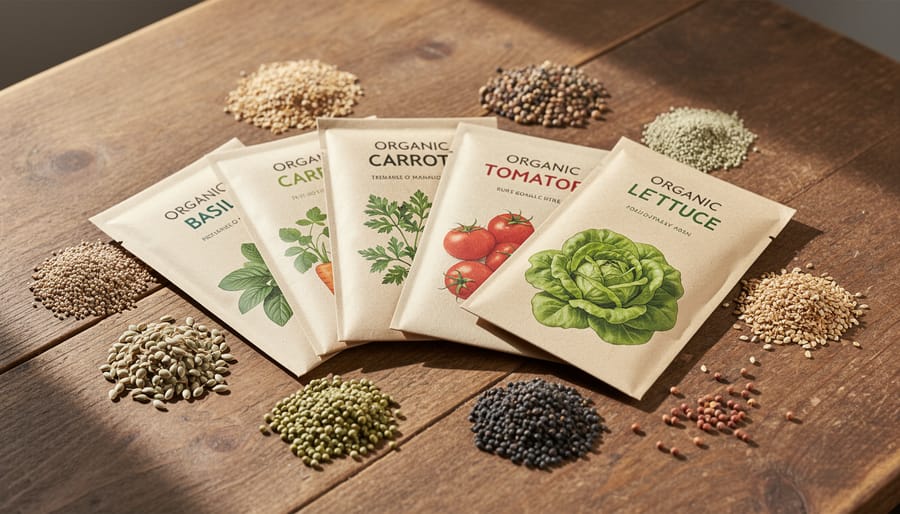
Northern Seeds is the one I’d point a first-timer toward. It grows over 120 varieties of organic vegetable, herb and flower seed, and that number is the whole appeal. It’s a catalogue you can actually read in one sitting without feeling like you’ve wandered into a seed warehouse.
I remember my first big seed order, when I circled about forty things and then had to cut it down to what my beds could hold. A focused list like this does that work for you. You see the staples, the herbs, and a good run of flowers, and you can build a tidy organic garden without second-guessing every page.
It suits beginners putting together a first organic garden, and it’s a natural fit for herb growers and anyone who loves cutting flowers for the kitchen table. In my experience, starting small is the smartest move in a short Zone 3 season. A handful of crops done well beats a sprawl you can’t keep up with.
Pros
- Over 120 organic varieties keeps the catalogue manageable and easy to browse.
- Covers vegetables, herbs and flowers, so one order can fill a whole starter garden.
- Organic focus suits gardeners who want to avoid conventional seed.
- A smaller list makes it easier for beginners to plan without overbuying.
Cons
- A smaller catalogue means fewer niche or specialty varieties than the biggest competitors.
- Seed collectors hunting rare heirlooms may want to look elsewhere too.
- You’ll still need to check each variety’s days to maturity for a short Zone 3 season.
If you want to grow your organic garden gradually, this is a comfortable place to begin.
2. A’Bunadh Seeds, Best for Heirloom and Open-Pollinated Selection
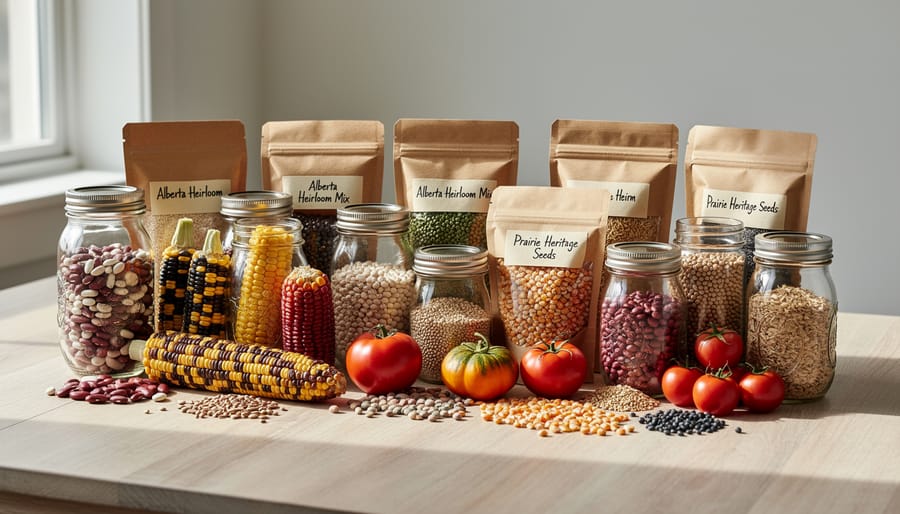
If you garden in Alberta, there’s something reassuring about ordering from a company that actually knows what a May frost feels like. A’Bunadh Seeds is based in Cherhill, Alberta, and has been around since 2003. Its catalogue runs to over 1,500 varieties of open-pollinated and heirloom seed, which makes it a real treasure chest for collectors. You can check the A’Bunadh Seeds details in the Canadian Seed Catalogue Index to see how it fits among other Canadian sources.
Open-pollinated and heirloom seed is the backbone of seed saving. Our own habit of tucking a few spent bean pods into a paper envelope every fall started with a variety we simply couldn’t stop thinking about. Now we trade the extras with neighbours over the fence, and a pod from one garden ends up growing in three others. That kind of sharing is exactly what a deep heirloom catalogue encourages.
Pros
- Being based in Alberta means the company understands the realities of a short, unpredictable season.
- The catalogue offers enormous depth for heirloom collectors and curious experimenters.
- Open-pollinated seed is well suited to saving and replanting year after year.
- Over 1,500 varieties leaves plenty of room to discover something unusual.
Cons
- The sheer size of the selection can overwhelm a brand-new gardener.
- Not every variety will suit a Zone 3 season, so you’ll need to read descriptions carefully.
- Heirloom and open-pollinated seed may not appeal if you want the uniformity of modern hybrids.
If the choice feels like too much, pick a handful of short-season crops and start there. You can always branch out next year.
3. Hawthorne Farm Organic Seeds, Best for Certified Organic Flower and Vegetable Seed
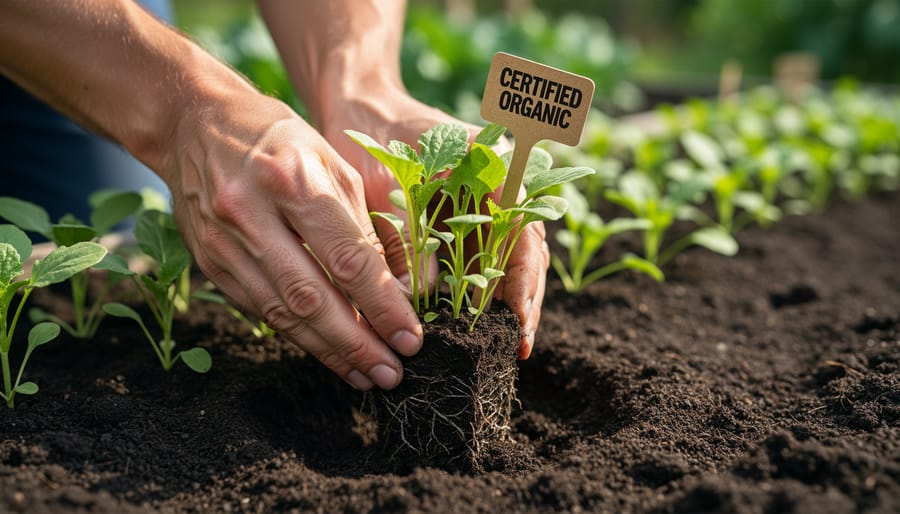
Hawthorne Farm Organic Seeds has been in business since 1996, and it sells certified organic flower and vegetable seeds. That certification is the whole point for a lot of us. When you’re tucking a seed packet into a short Zone 3 season, it’s nice to know exactly how that seed was grown. Boreal Blooms calls it one of their favourite seed sources, which is one grower’s opinion rather than any kind of ranking, but it’s the kind of word-of-mouth I trust.
Pros
- Certified organic seed gives you clear sourcing for both flowers and vegetables.
- Over two decades in business suggests a seasoned, established grower.
- Flowers and vegetables from one company simplify a mixed-bed order.
Cons
- You’ll need to check each variety’s days to maturity, since organic doesn’t automatically mean Zone 3 suited.
- Organic certification may not matter to gardeners focused only on catalogue size.
- Cold-climate fit varies by crop, so expect some research before ordering.
This one suits gardeners who put organic certification first and don’t mind doing a little homework on timing. Once your packets arrive, a few of our guides can help you get going. Try winter sowing for hardy flowers, and read up on chili seedling care if peppers are on your list.
Short on space or soil? Peppers in buckets works nicely on a sunny patio, and this guide on pepper timing shows how cold-climate gardeners can adjust their schedule. If you’re also dreaming of berries, browse these strawberry varieties for cold-climate ideas.
4. McKenzie Seeds, Best for Familiar Garden Staples and Easy Access
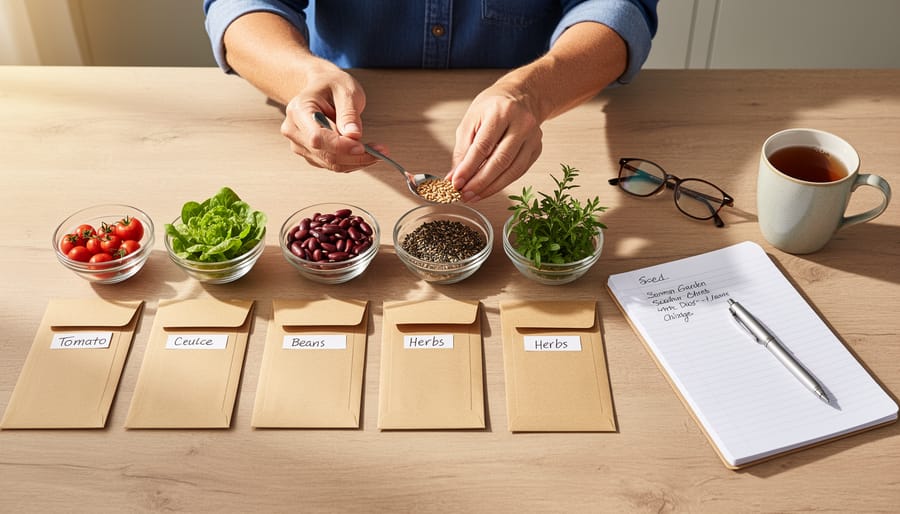
McKenzie Seeds is one of those names that keeps coming up whenever Canadian gardeners swap notes about where to start. If you’ve ever stood in front of a seed rack and reached for a familiar, bright packet, there’s a good chance you were looking at something like this. That recognition counts for a lot when you’re new to growing and just want to get something in the ground.
We think McKenzie suits beginners who value easy access over a deep, specialty catalogue. In our experience, familiar garden staples like beans, lettuce, carrots and marigolds are exactly what a first-time Zone 3 gardener needs to build confidence. Availability and retail access change, so check what’s currently on offer before you plan your order or your shopping trip.
Pros
- A widely recognized name that feels comfortable for first-time seed buyers.
- Geared toward familiar garden staples that are easy to grow.
- Easy to grab packets without much research or planning.
- A gentle starting point before moving to specialty sources.
Cons
- May offer less heirloom or organic depth than the specialty companies in this roundup.
- Seed-saving fans may want more open-pollinated variety than a mainstream line provides.
- Not every variety is bred with short Prairie seasons in mind, so read days to maturity.
My advice is simple. Start here for your reliable staples, then branch out as your confidence grows. Whatever you pick up, check the days to maturity on the packet and choose the quicker options, since that matters far more than the brand when frost can arrive early.
5. OSC Seeds, Best for Big Catalogue Range Across Vegetables and Flowers
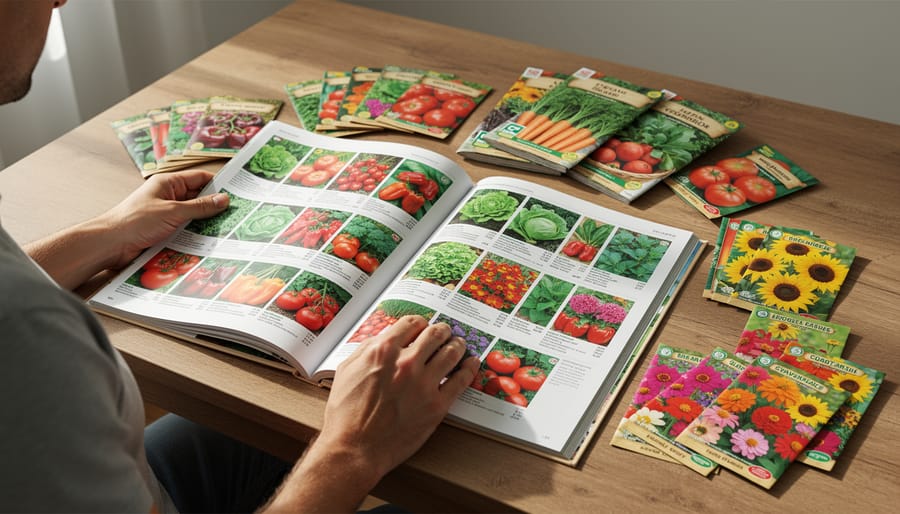
If you’re the kind of gardener who treats a seed catalogue like a good book on a cold January night, OSC Seeds deserves a spot on your list. The catalogue is noted for its sheer range, with over 250 vegetables and over 240 flowers, which puts it at more than 500 varieties in total. That’s plenty of room to wander.
We think of OSC as the pick for gardeners who like to browse and experiment. Maybe you want to try a purple carrot one year and a new zinnia the next. A big catalogue makes that easy, and it keeps the planning season fun when snow is still piled against the fence.
Pros
- Over 500 varieties across vegetables and flowers means real choice in one place.
- Strong for gardeners who like to try something new each season.
- Covers both food crops and flowers, so one order can fill the whole garden.
Cons
- A catalogue this size can feel overwhelming, especially for new gardeners.
- You’ll need to sort for short-season varieties yourself to suit Zone 3.
- Not every listing will be well matched to a short Prairie frost-free window.
Here’s my one piece of advice for any large catalogue: check the days to maturity before you fall in love with a photo. In a short Alberta season, a tomato that needs a long, warm summer will only break your heart. Pick short-season varieties first, then add a few experiments around the edges. That way the browsing stays fun and the harvest still shows up.
Where to Find More Canadian Seed Companies: Regional Directories and Catalogue Indexes
Five seed companies won’t cover every garden, and I’d be doing you a disservice if I pretended otherwise. Canada has a lot of small growers worth knowing, so here’s where I’d go next when the five above don’t quite fit.
- Shifting Roots regional lists
- A blog post series, created in 2026, that lists seed companies in Canada by region. Use it when you want to shop close to home or find growers who understand your climate.
- Shifting Roots prairie list
- Covers companies in Saskatchewan, Manitoba, and Alberta. It’s the one to reach for if you garden anywhere on the Prairies.
- Shifting Roots 40+ roundup
- A list of more than 40 Canadian seed companies and nurseries, tailored for the Prairies and written from a Zone 2/3 gardener’s perspective. It originally included only Canadian companies, which suits those of us who like to buy local.
- Seeds of Diversity Canadian Seed Catalogue Index
- Lists vegetable and fruit seeds sold in recent years by Canadian seed companies. It’s handy for tracking down a particular variety and seeing who has carried it. For details on what it covers, see the Catalogue index scope.
I’d start with the Prairie lists. A directory written by someone gardening in Zone 2/3 tends to point you toward growers who understand a short, unpredictable season, and that perspective is hard to come by in a general seed guide. Then, when I’m hunting for one specific tomato or bean, the catalogue index saves me from flipping through a dozen websites.
Other names come up again and again when gardeners swap recommendations, including Across the Creek Organics and Northern Wildflowers. I haven’t ranked them here, so treat them as leads worth checking out for yourself rather than endorsements.
Which seed companies have earned a permanent spot in your order every winter? Tell me in the comments. Your tip might be the one that helps a fellow Zone 3 gardener find their next favourite source.
Seed Shopping Questions Zone 3 Gardeners Ask
Choosing seed gets easier once a few common questions are out of the way, so here are the ones I hear most from fellow Zone 3 gardeners.
Why buy seed from Canadian companies?
Seed grown and sold here is far more likely to suit a short frost-free window. That matters when every week of the season counts, and Shifting Roots’ prairie list covers companies in Saskatchewan, Manitoba, and Alberta.
What’s the difference between heirloom, open-pollinated, and organic seed?
Open-pollinated plants grow true from saved seed, and heirlooms are older open-pollinated varieties passed down over time. Organic describes how the seed was grown, so it can overlap with either.
How do I choose varieties for a short Zone 3 season?
Look for “days to maturity” on the packet and favour short-season varieties, even in a big catalogue. Seeds of Diversity’s Canadian Seed Catalogue Index is a handy way to compare what Canadian companies have sold.
When should I place my seed order?
Order in late winter, well before planting time, so you get first pick before popular varieties sell out. A cold Alberta January is a great time to browse, and I always find it lifts my spirits.
If you’re still weighing which crops deserve your limited space, it’s worth reading up on zone 3 agrivoltaics an intriguing way to stretch what a short season can offer.
As for visiting in person, it depends on the company. A’Bunadh Seeds is in Cherhill, Alberta, so Alberta gardeners have a local name to look into, but check each company’s current retail and pickup options before you make the drive. Many gardeners simply order online and enjoy the mailbox surprise.
Key Takeaways for Choosing Your Seed Company
Once you’ve settled on a favourite, keep exploring. The regional directories from Shifting Roots and the Canadian Seed Catalogue Index from Seeds of Diversity can introduce you to smaller growers worth trying next season. And if you find a company that has never let your garden down, tell us about it. Our best seed discoveries have almost always come from fellow gardeners.
Choosing the right seed company really is the first step toward a good Zone 3 season. Before the soil thaws and before a single tray is filled, the seeds you pick set the tone for everything that follows. Whether you land on the organic variety at Northern Seeds, the heirloom depth at A’Bunadh Seeds, or the familiar staples at McKenzie Seeds, you’re giving your garden a head start.
There’s nothing quite like opening a fresh seed order in the dead of an Alberta winter. The little packets are small, but they hold so much promise. I still find myself sorting them into piles on the kitchen table, planning beds while the snow piles up outside. It’s hope you can hold in your hand.
Don’t stop with the five companies here. The regional directories we shared are great places to keep exploring, and every gardener’s list grows a little longer each year.
We’d love to hear from you, too. Tell us about your favourite Canadian seed sources, the ones that have never let you down in a short season. And if you’re itching to get growing before spring arrives, have a look at the courses and winter-sowing guide here on the site. Come grow with us. Your best season could start with a single packet.
Final Verdict
If you want one place to start, we’d pick Northern Seeds, Best for Organic Vegetable, Herb, and Flower Variety. Its focused catalogue of over 120 organic varieties gives you real choice without the overwhelm of a giant seed list. That makes it a great fit for beginners and Zone 3 gardeners who want to build a first organic garden with confidence.