
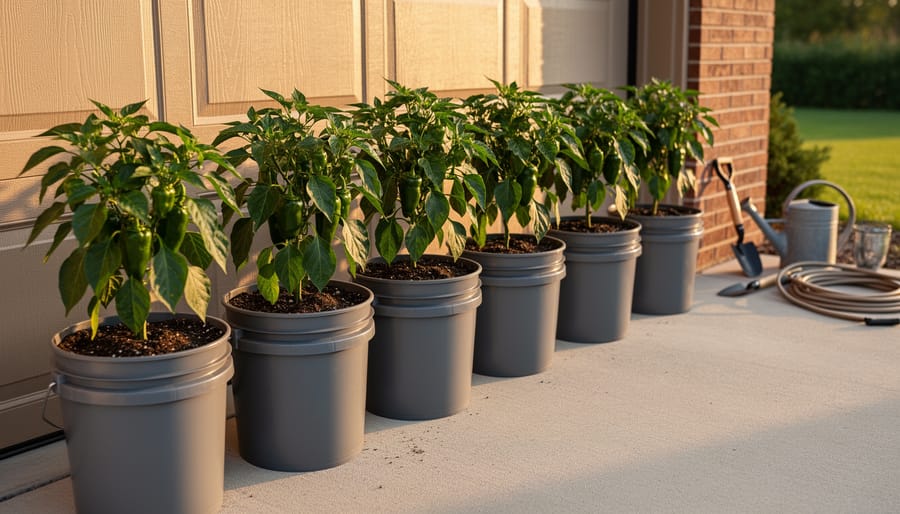
How to Grow Peppers in 5 Gallon Buckets (Zone 3 Success)
Growing peppers in 5-gallon buckets works beautifully, even in Zone 3 climates, and gives you complete control over soil quality, drainage, and heat retention while protecting your plants from unpredictable frost. You’ll get a harvestable crop in about 70-90 days from transplant, provided you choose short-season varieties and start your seedlings indoors 8-10 weeks before your last frost date. The method is surprisingly forgiving for beginners and offers experienced gardeners a way to extend the season by moving containers to sheltered spots when cold snaps …

When to Plant Peppers in Zone 7b: Timing, Tips, and Transitions for Cold-Climate Gardeners
In Zone 7b, start pepper seeds indoors 8 to 10 weeks before your last frost date (typically mid-March to early April), then transplant seedlings outdoors after all danger of frost has passed and soil temperatures reach at least 60°F, usually between late April and mid-May. Your local last frost date determines everything, so confirm your specific microclimate timing before committing your precious seedlings to the garden.
I’ll be honest: watching Zone 7b gardeners transplant peppers in late April while we’re still nursing our Zone 3 Alberta seedlings under grow lights until June makes me equal parts envious and …
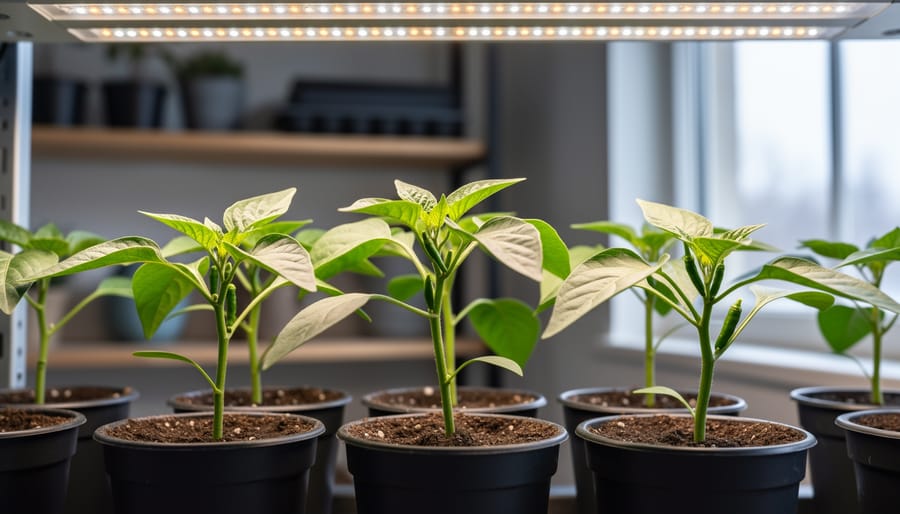
How to Care for Your Young Chili Plant in Zone 3: From Seedling to Garden Success
Growing chili peppers from seedling to harvest in Zone 3 takes about 90 to 120 days total, but the critical first six to eight weeks nurturing young plants indoors will make or break your summer harvest. Your chili seedlings need consistent warmth (18-24°C), bright light for 14-16 hours daily, and careful watering to develop strong roots and sturdy stems before they ever see the outdoors. Get these early weeks right, and you’ll have stocky, resilient transplants ready to brave our short growing season.
I learned this the hard way during my second year of gardening here in Alberta. My first batch of chili seedlings …
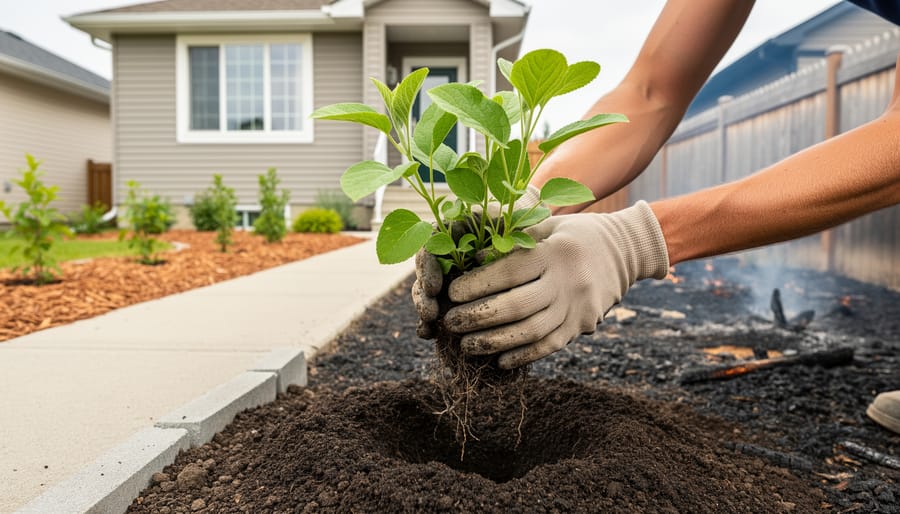
How to Landscape Fire-Damaged Property to Help Sell Your House
Restoring a fire-damaged landscape typically takes four to eight weeks and costs between $3,000 and $12,000, depending on the extent of damage and your Zone 3 growing season timing. The process follows a clear sequence: professional safety clearance, debris removal, soil remediation, replanting with hardy natives, and staged verification before listing your home. For homeowners in Alberta dealing with the aftermath of a property fire, propertysaviour.co.uk outlines how tackling the charred yard feels overwhelming, but strategic landscaping work directly impacts your …
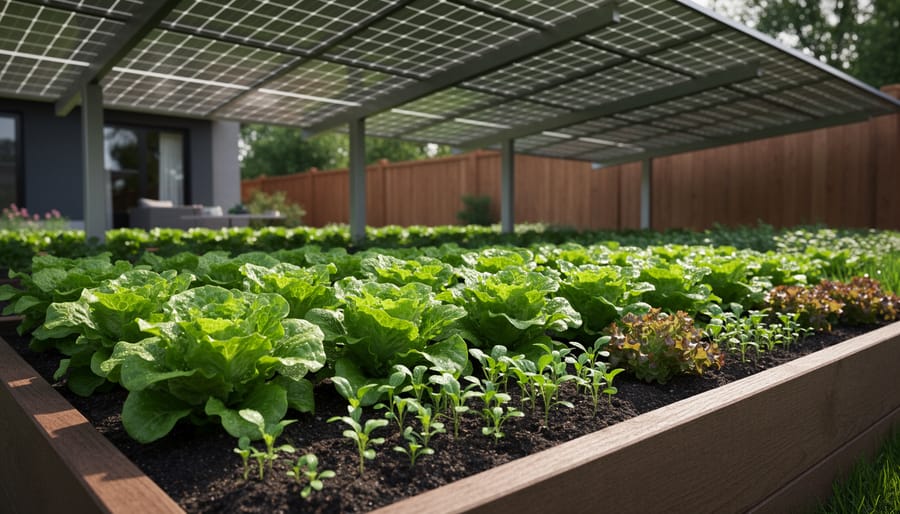
How Agrivoltaic Farming Can Transform Your Garden (Even in Zone 3)
Agrivoltaic farming combines solar panels with crop production in the same space, letting you grow food in the partial shade beneath elevated photovoltaic arrays. For Zone 3 gardeners, this practice offers a clever solution to extreme temperature swings, late spring frosts, and the scorching afternoon sun that can stress tender plants during our short but intense growing season.
I first learned about agrivoltaics from a friend near Red Deer who installed a small solar setup over her lettuce beds. She was trying to reduce her electricity costs, but what surprised her most was how well her greens performed in that dappled light. The …
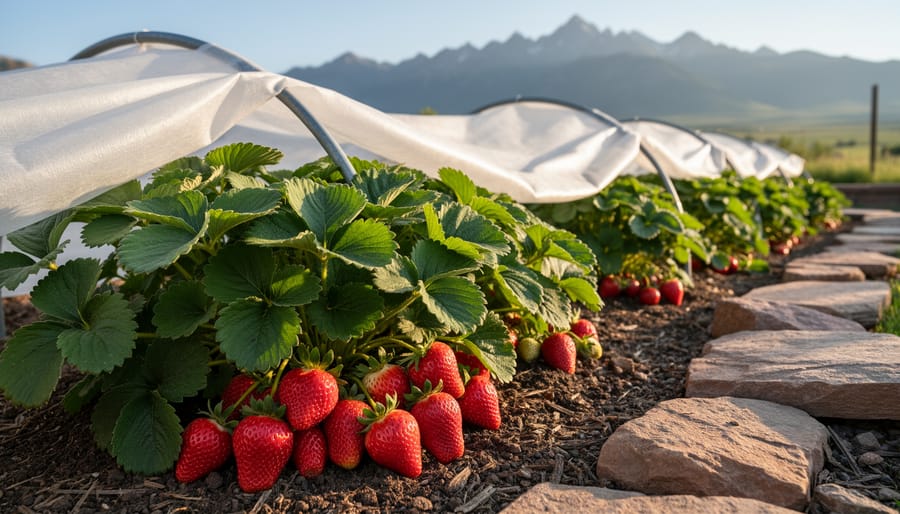
How to Grow Strawberries in Colorado: Variety Selection, Planting, and Cold-Climate Care
Growing strawberries in Colorado is absolutely possible, and with the right variety selection and frost protection, you can harvest sweet, juicy berries from June through early fall despite our high-altitude challenges. The key is choosing day-neutral or everbearing varieties like Albion, Seascape, or Fort Laramie that tolerate our alkaline soil, dramatic temperature swings, and intense UV exposure at elevations above 5,000 feet.
I’ll admit, my first attempt at strawberries in a high-altitude garden was humbling. I planted June-bearing varieties straight from a big-box store, watched them bloom beautifully in May, and then …
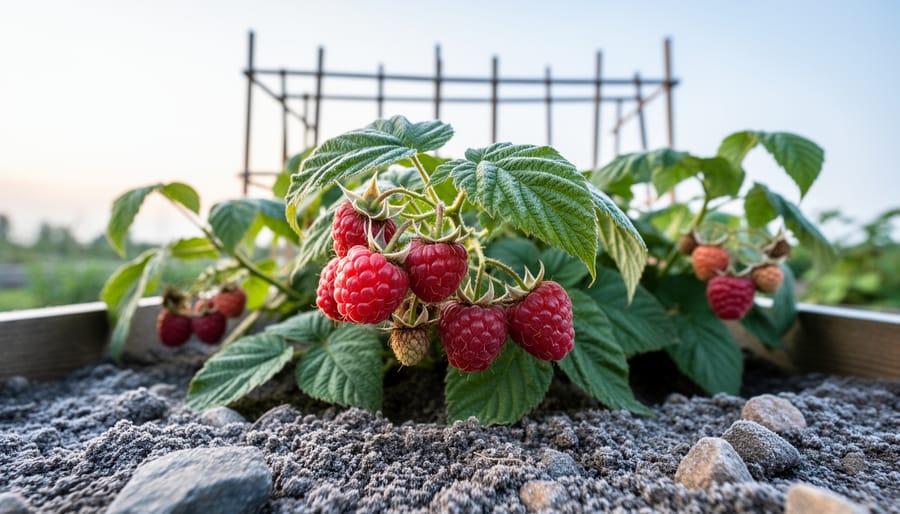
Why Colorado Gardeners Succeed with Raspberries (And What Alberta Growers Can Learn)
Growing raspberries in Colorado mirrors many of the challenges we face here in Alberta’s Zone 3 gardens, and honestly, that’s exactly why Colorado growers keep finding their way to our community. When you’re dealing with intense sun, dramatic temperature swings, unpredictable late frosts, and bone-dry air, the traditional raspberry-growing advice from milder climates falls apart fast.
I learned this the hard way back in 2019 when a friend from Fort Collins visited my Alberta garden and we spent an entire afternoon comparing notes on our shared struggles. Her raspberries were battling scorching afternoons at 7,000 …
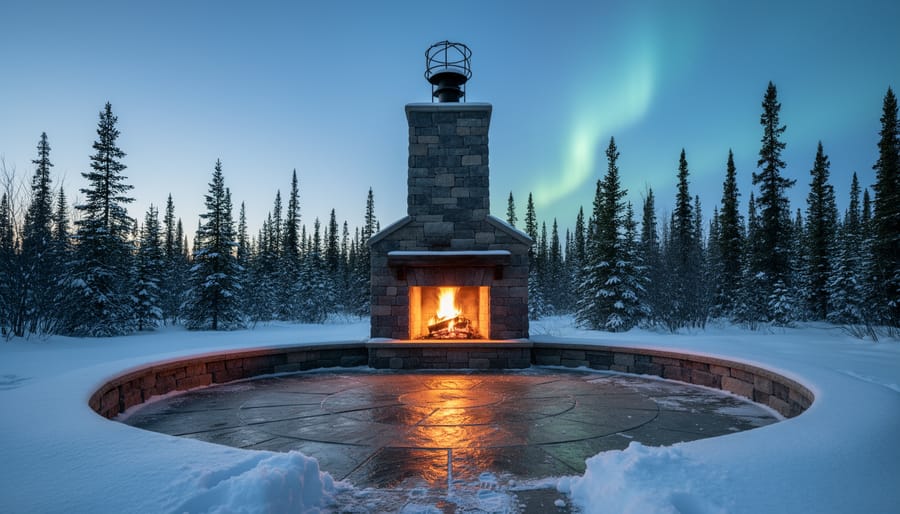
Why Your Garden Fireplace Could Be a Winter Hazard (And How to Keep It Safe in Alberta)
Schedule professional inspections with Mason Chimney Repair before each heating season to catch creosote buildup and structural damage that Alberta’s freeze-thaw cycles can accelerate. Zone 3’s temperature swings wreak havoc on outdoor chimneys, creating cracks that seem minor in autumn but become dangerous by mid-winter.
Clear a minimum fifteen-foot radius around your outdoor fireplace, removing dead plant material, overhanging branches, and combustible garden debris that our dry chinook winds can instantly transform into fire hazards. I learned this the hard way when a …
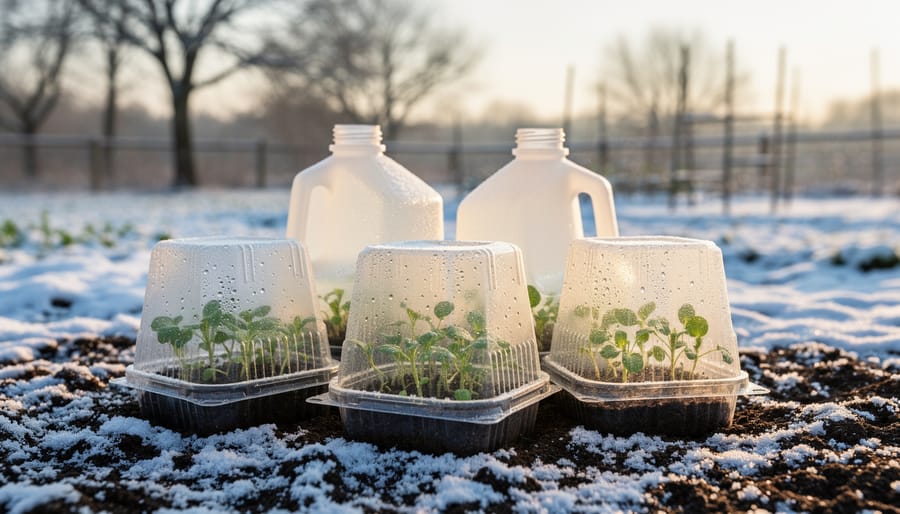
Winter Sowing in Zone 4: Your Secret Weapon for Early Spring Blooms
Start winter sowing in Zone 4 between late December and early February, when your containers can freeze and thaw naturally outdoors. This method bridges the gap between starting seeds indoors under lights and direct spring sowing, giving you earlier blooms and stronger seedlings without monopolizing your kitchen counters.
Fill recycled milk jugs or clear containers with moistened seed-starting mix, sow cold-hardy perennials and hardy annuals directly on the surface or at their recommended depth, then seal the containers and set them outside in a protected spot where they’ll receive …