
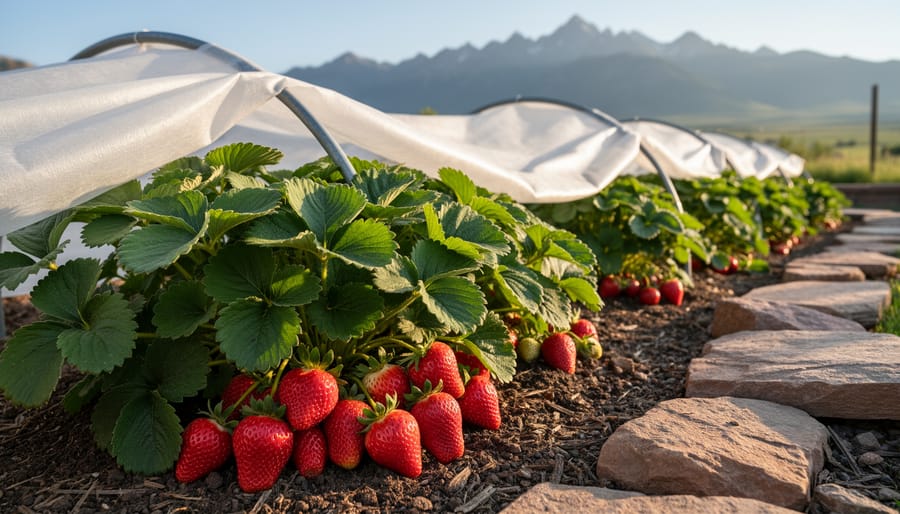
How to Grow Strawberries in Colorado: Variety Selection, Planting, and Cold-Climate Care
Growing strawberries in Colorado is absolutely possible, and with the right variety selection and frost protection, you can harvest sweet, juicy berries from June through early fall despite our high-altitude challenges. The key is choosing day-neutral or everbearing varieties like Albion, Seascape, or Fort Laramie that tolerate our alkaline soil, dramatic temperature swings, and intense UV exposure at elevations above 5,000 feet.
I’ll admit, my first attempt at strawberries in a high-altitude garden was humbling. I planted June-bearing varieties straight from a big-box store, watched them bloom beautifully in May, and then …
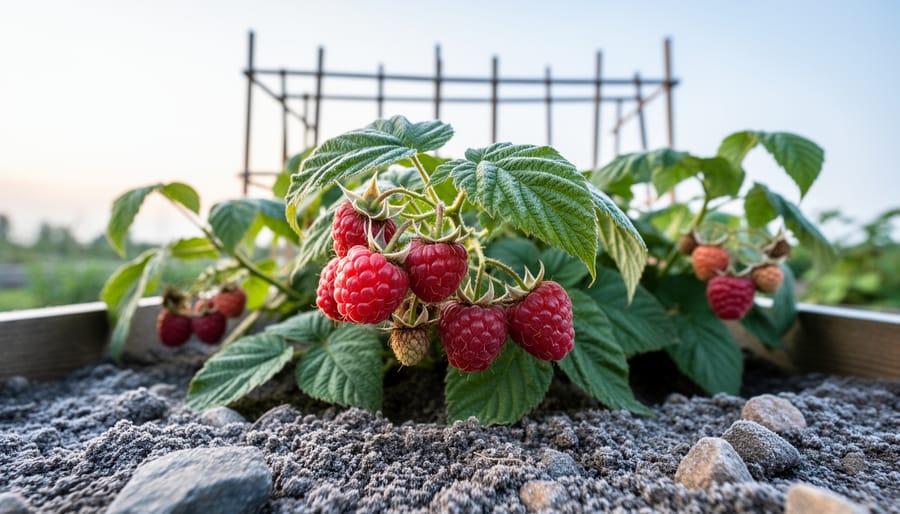
Why Colorado Gardeners Succeed with Raspberries (And What Alberta Growers Can Learn)
Growing raspberries in Colorado mirrors many of the challenges we face here in Alberta’s Zone 3 gardens, and honestly, that’s exactly why Colorado growers keep finding their way to our community. When you’re dealing with intense sun, dramatic temperature swings, unpredictable late frosts, and bone-dry air, the traditional raspberry-growing advice from milder climates falls apart fast.
I learned this the hard way back in 2019 when a friend from Fort Collins visited my Alberta garden and we spent an entire afternoon comparing notes on our shared struggles. Her raspberries were battling scorching afternoons at 7,000 …
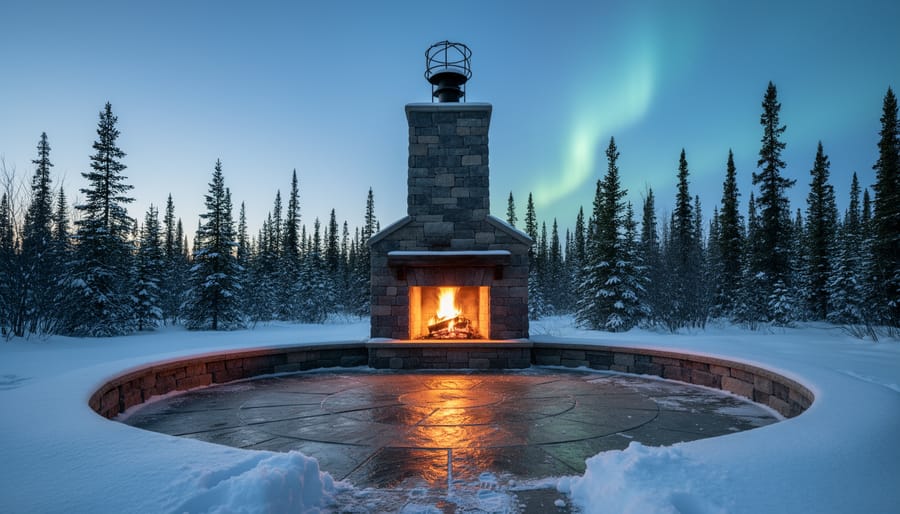
Why Your Garden Fireplace Could Be a Winter Hazard (And How to Keep It Safe in Alberta)
Schedule professional inspections with Mason Chimney Repair before each heating season to catch creosote buildup and structural damage that Alberta’s freeze-thaw cycles can accelerate. Zone 3’s temperature swings wreak havoc on outdoor chimneys, creating cracks that seem minor in autumn but become dangerous by mid-winter.
Clear a minimum fifteen-foot radius around your outdoor fireplace, removing dead plant material, overhanging branches, and combustible garden debris that our dry chinook winds can instantly transform into fire hazards. I learned this the hard way when a …