
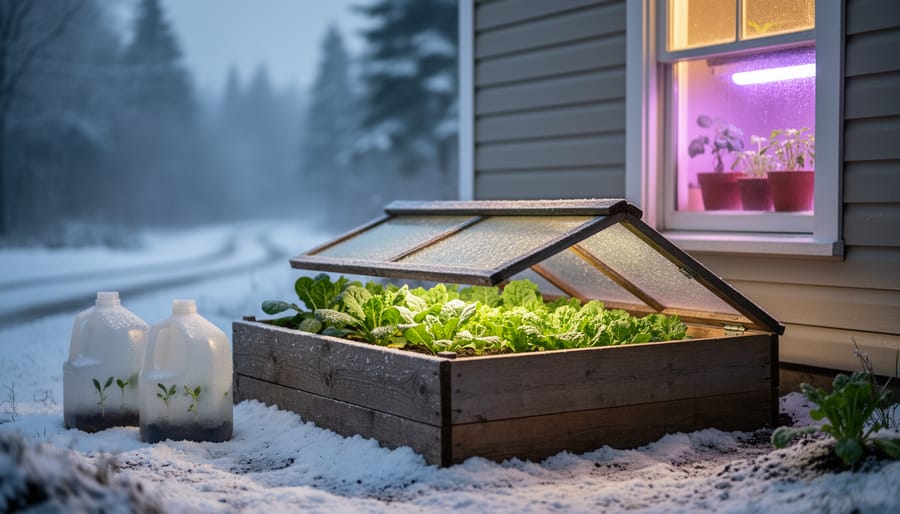
9 Ways to Keep Gardening in Cold Climates All Winter Long
Yes, you can keep a garden going through a Zone 3 winter, and you don’t need a greenhouse or a big budget to do it. The trick is to stop thinking of winter as a pause button. Between winter sowing in milk jugs, cold frames, sunny windowsills, and a little planning by the woodstove, there’s plenty to do while the snow piles up and the thermometer drops to -30°C.
I’ve spent enough Alberta winters staring at a frozen backyard to know the itch is real. Around January, most of us are ready to get our hands in soil again. The good news is that cold climates reward the gardeners who work with the season instead of against it.
The nine ideas below were chosen with Zone 3 in mind. Each one is practical, affordable, and doable by a beginner, whether it protects what’s already outside, stretches your growing season, brings green indoors, or helps you prepare for spring. A few of them are just as much about people as plants, because some of my best winter growing tips came from neighbours swapping stories over coffee. Let’s get into them.
How These Nine Cold-Weather Gardening Ideas Were Chosen
Choosing just nine ideas from a long winter of gardening options wasn’t easy, so I set a few ground rules. Every tip had to hold up in real Zone 3 conditions, the kind we get in Alberta, where a cold snap can park itself over the garden for weeks. Here’s what made the cut:
- Proven to work in Zone 3 winters, not just mild ones.
- Beginner-friendly, yet still rewarding for seasoned growers.
- Low-cost, using recycled or household materials wherever possible.
- Flexible enough for a small balcony or a big backyard.
- Tied to a clear winter goal, like protecting roots, growing food, or planning ahead.
I’ve leaned on these approaches through some long, stubborn stretches of deep cold, and the ones that stayed on the list are the ones I kept coming back to. Nothing here needs fancy equipment or a big budget. Most of it comes down to a bit of timing, a bit of patience, and a willingness to get your gloves on.
Do you have a winter win of your own? Maybe a surprise sprout, a stubborn herb, or a clever fix for frozen soil. I’d love to hear about it, so share it with the Garden Seeds community and inspire the next gardener staring out at the snow.
1. Start Winter Sowing in Milk Jugs and Containers
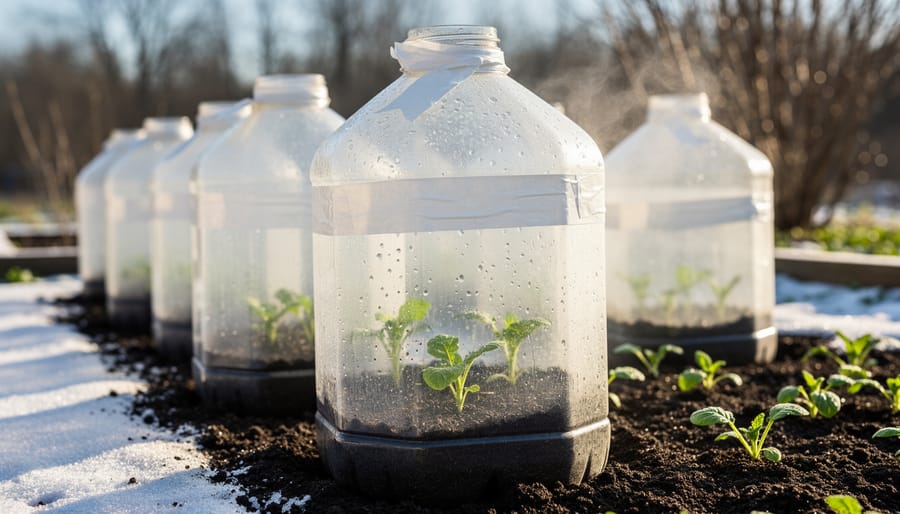
I still remember the first January I tried winter sowing. I’d tucked a handful of rinsed milk jugs along the back fence, half expecting nothing but frozen soil. Then, one gray morning with snow still piled around them, I spotted tiny green shoots pressing against the plastic. It felt like a small miracle.
That’s the magic of winter sowing: a recycled jug becomes a mini greenhouse that lets seeds germinate on nature’s schedule. It suits hardy perennials, native wildflowers, and cold-tolerant annuals like poppies and calendula, since those seeds actually need a good freeze to wake up.
In Zone 3, aim for late December through February, once the worst of the deep freeze settles in. To prepare your containers, cut each jug around the middle, leaving a hinge near the handle. Poke drainage holes in the bottom and a few vent holes in the lid area. Fill with about four inches of moist seed-starting mix, scatter your seeds, and tape the jug shut.
Set the jugs outside in a spot that gets natural light and snow cover, with the cap off so rain and melting snow can reach the soil. Then simply wait. Come spring, seedlings will appear as temperatures rise, and you can open the tops on warmer days to harden them off gently. By May, you’ll have sturdy young plants ready for the garden, with almost no fuss.
2. Mulch Heavily to Protect Roots and Soil Life
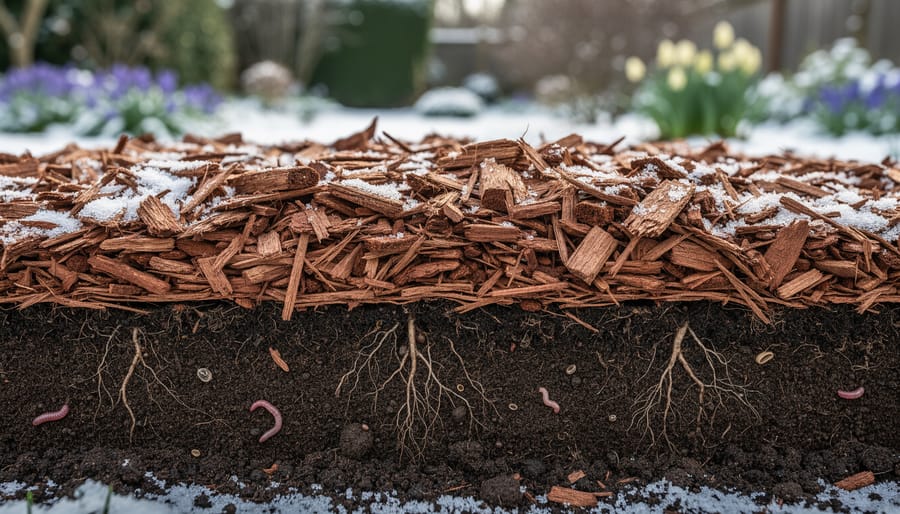
Think of mulch as a winter blanket for your perennial beds. The real danger in a Zone 3 winter isn’t steady cold, it’s the freeze-thaw swing. When a warm spell melts the surface and the temperature plunges again, the soil heaves and can push shallow roots right out of the ground. A thick layer of mulch keeps the soil temperature steady, so roots stay tucked in and undisturbed.
Timing matters. Wait until the ground has frozen on top, usually after a few hard frosts, then spread your mulch. Putting it down too early can invite voles and mice to settle in for the season. Aim for about four to six inches of loose material, and pull it back slightly from plant crowns so they don’t sit in damp, rot-prone conditions.
You likely already have plenty to work with. Shredded leaves are my favourite because they’re free and break down beautifully. Straw works well too, as does a layer of finished compost. Last fall I raked up the leaves from our maple, ran the lawn mower over them, and tucked every bed in with them.
There’s a bonus below the surface. As the mulch slowly breaks down, it feeds earthworms and soil microbes, so your beds wake up richer and livelier in spring.
3. Extend the Season with Cold Frames and Low Tunnels
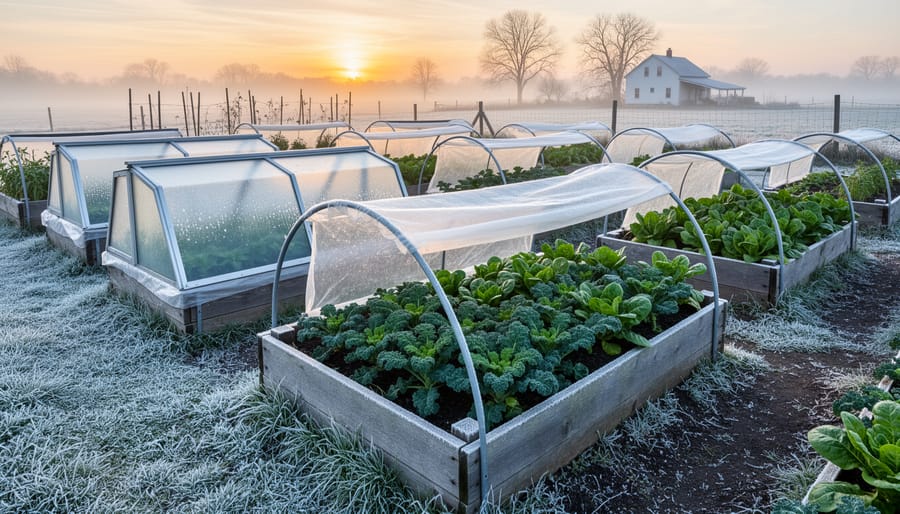
A cold frame is basically a bottomless box with a clear lid, and it works like a little pocket of warmer weather. The glass or plastic traps the sun’s heat during the day, and the soil holds onto some of it overnight. A low tunnel does the same job with hoops and row cover stretched over a bed. In a Zone 3 winter, that few degrees of protection can be the difference between frozen leaves and a salad.
You don’t need to spend much. An old window propped over a frame of scrap lumber or straw bales makes a perfectly good cold frame. For a low tunnel, bend a few lengths of flexible conduit or fencing wire into hoops, drape row cover over them, and clip the edges down against the wind. If you already enjoy container growing you can even tuck pots of greens inside a frame and move them around as needed.
The crops matter too. Spinach, kale, and mâche (also called corn salad) shrug off frost and often turn sweeter after it. Starting with reliable cold-climate seeds gives you a real head start.
I still remember lifting the lid on my frame one frosty morning, the ground crunching outside, and finding crisp green spinach leaves waiting underneath. Fresh greens in the cold months felt like a small miracle, and I’ve been hooked ever since.
4. Grow Microgreens and Herbs on a Sunny Windowsill
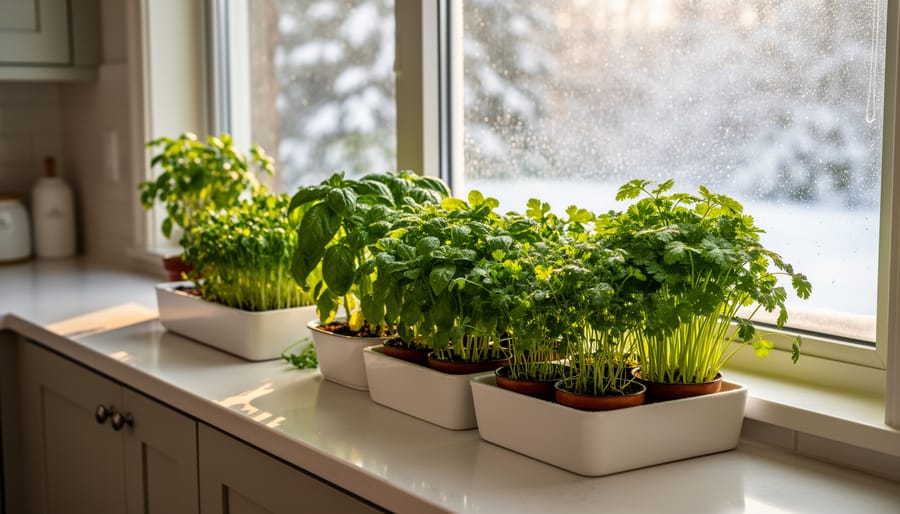
When the garden is under a foot of snow, a sunny windowsill becomes your growing space. Indoor growing keeps fresh, living food on the table all winter, and it’s one of the gentlest ways for a first-timer to get their hands back in the soil.
Start with crops that forgive beginner mistakes:
- Radish microgreens: ready to snip in about 7 to 10 days.
- Pea shoots: tender and sweet, ready in roughly 10 to 14 days.
- Chives: first trimming in about 4 to 6 weeks from seed.
- Basil: a few leaves to pick in around 4 to 6 weeks.
Light is the tricky part in a Zone 3 winter, since the days get short and the sun sits low. A south-facing window is ideal, and you’ll want roughly six hours of bright light. If your leaves look pale and stretched, that’s the plant reaching for more sun. A cheap clip-on grow light on a timer for 12 to 14 hours a day solves it nicely.
You don’t need fancy gear. Shallow trays, old takeout containers, or recycled yogurt tubs work well for microgreens, as long as you poke a few drainage holes and set them on a saucer. Herbs like basil and chives do better in pots about six inches deep. Use a light seed-starting mix, keep it evenly moist rather than soggy, and rotate your containers every few days so growth stays even.
5. Plan Next Year’s Garden While the Snow Flies
Winter is the one season when the garden asks nothing of you, so it’s the perfect time to dream a little. Every January, I put the kettle on, spread out a pile of seed catalogues on the kitchen table, and let myself wander. One snowy afternoon I circled so many varieties that my tea went cold twice. That evening session turned into a real plan, and it’s the reason my beds ran smoother that whole summer.
Start simple. Keep a garden journal and note what thrived, what struggled, and when the first and last frosts hit. Sketch your beds on graph paper so you can rotate crops, moving tomatoes, beans, and brassicas to new spots each year to keep the soil healthy and pests confused.
Then choose varieties built for a short Zone 3 season. Look for descriptions like “early,” “quick maturing,” or “cold tolerant,” and check the days to harvest before you fall in love with a pretty photo. If you’re trying heat-lovers, it helps to read up on Zone 3 overwinter care so you know how to protect them until spring.
6. Care for Your Tools and Get Your Gear in Order
Winter is the best time to give your tools some attention, because nothing sharpens a spring day like gear that’s ready to go. Start with a good scrub. Knock off dried soil with a stiff brush, then wash blades and handles with warm, soapy water and dry them completely. Damp metal rusts fast, even in a cold shed.
Next, sharpen the edges. A simple hand file or sharpening stone will bring dull pruners, shears, and hoes back to life in a few minutes. Clean cuts heal faster on plants, so this small job pays off all season. Once the blades are sharp, wipe them with a rag dipped in a little vegetable or camellia oil to keep rust away. A bucket of sand mixed with oil also works well for spades and trowels. Plunge them in a few times and they come out clean and protected.
While you’re out there, tidy the shed. Hang tools where you can see them, group your pots and twine, and take note of anything cracked or worn. A short replacement list now means you can shop calmly before the spring rush instead of scrambling in May.
7. Bring Tender Plants and Bulbs Safely Indoors
Before the first hard frost, I dig up or pot up anything that can’t take a Zone 3 winter. Geraniums, fuchsias, and rosemary can come inside as potted plants. Trim them back by about a third, check the leaves and stems for hitchhikers, and set them in the brightest window you have.
Tender bulbs like dahlias, gladiolus, and cannas prefer a different plan. Once frost blackens the foliage, lift them carefully, shake off the loose soil, and let them dry for a few days. Then tuck them into boxes of barely damp peat moss or sawdust and store them somewhere cool and dark, like an unheated basement or insulated garage, ideally around 5 to 10°C.
Check on everything every couple of weeks. Here’s what to watch for:
– Pests: Tiny flies, sticky leaves, or fine webbing usually mean fungus gnats, aphids, or spider mites. Wipe leaves with soapy water and let the soil dry out between waterings.
– Mould: Fuzzy or mushy bulbs are too damp. Remove the bad ones and loosen the packing so air can move.
– Leggy growth: Long, pale, stretched stems just mean the plant wants more light. Move it closer to the window.
Don’t worry if a few plants sulk or lose leaves. Dropping some foliage is normal as they adjust to indoor life. Almost every beginner loses a bulb or two, and that’s part of learning. Most of what you save will bounce back by spring.
8. Feed the Birds and Welcome Winter Helpers to Your Yard
One frosty morning last January, I stood at the kitchen window with my tea and watched a pair of chickadees land on the dried coneflower heads I’d left standing. They flitted from stem to stem, pecking at seeds, puffing up their feathers against the cold. I’ve never been so glad I got lazy about fall cleanup.
That’s the thing about winter helpers: a little less tidying goes a long way. Leave some seed heads standing, like coneflowers, sunflowers, and rudbeckia, so birds have natural food. A hanging feeder stocked with black oil sunflower seeds is a welcome backup when the snow gets deep.
Shelter matters too. A loose pile of branches, leaves, or hollow stems in a quiet corner gives birds a windbreak and gives ladybugs, native bees, and other beneficial insects a place to overwinter.
The payoff comes in summer. Those same visitors help keep aphids and caterpillars in check, so you spend less time battling pests and more time enjoying your harvest.
9. Join Your Gardening Community and Keep Learning
Some of my best winter lessons didn’t come from a book. They came from a neighbour leaning over the fence in January, swapping stories about which tomato variety actually ripened before the first frost. Zone 3 gardening is easier when you’re not doing it alone, and the cold months are the perfect time to connect.
Start with a seed swap. Trading packets with other local growers is cheap, fun, and the best way to find varieties already proven in short, cool seasons. If you’ve saved extra seeds from last summer, bring them along. Check community boards or your local garden club for a winter meetup, since many groups stay active through the snowy months.
Learning keeps the spark alive, too. Whether you’re brand new to growing or have decades of dirt under your nails, there’s always something fresh to pick up, from soil health to starting seeds indoors. The Garden Seeds courses are built for both beginners and seasoned gardeners, with plenty of room for questions along the way.
You can also post winter photos or jump into a Q&A thread when a problem has you stumped. Someone else has likely faced it before and will be glad to help.
Common Questions About Gardening in Cold Climates
Gardening in cold climates brings up plenty of questions, especially if you’re new to Zone 3. Here are the ones I hear most often from fellow growers.
Can I really garden in Zone 3 in winter?
Yes, though the garden looks different. Winter sowing, cold frames, and a sunny windowsill let you keep growing, while mulching and planning keep your outdoor beds ready for spring.
When should I start winter sowing in Alberta?
Many gardeners begin once the coldest stretch of winter has settled in, often from late winter into early spring. The jugs sit outside, and seedlings sprout on their own when conditions suit them.
Do I need a greenhouse?
Not at all. A simple cold frame or low tunnel made from an old window or row cover will keep hardy greens going without a big investment.
How do I protect perennials from deep cold?
A thick layer of shredded leaves, straw, or compost over the roots helps soften those freeze-thaw swings that do the most damage.
If you’re still on the fence, start small. Pick one idea from the list, whether it’s a jug of seeds on the back step or a pot of herbs by the window, and see how it feels. And if a question isn’t covered here, bring it to the Garden Seeds community. Someone has almost certainly wrestled with the same thing and would love to swap notes.
Keep Your Garden Growing, Even When It’s Snowing
Winter isn’t a pause for your garden. It’s a season of planning, protecting, and small harvests, and every one of the nine ideas above fits that rhythm. Whether you’re sowing in a milk jug, tucking mulch around sleeping roots, or sipping tea over a seed catalogue, you’re keeping your garden moving even when the snow is deep.
So here’s my nudge: choose one idea this week. Maybe it’s rinsing out a jug for winter sowing, or setting a pot of herbs on the sunniest windowsill you’ve got. Then come tell the Garden Seeds community how it went. We’d love to see your frosty photos and hear your cold-weather wins.