
How to Grow Bush Beans in Short-Season Gardens (From Seed to Harvest)
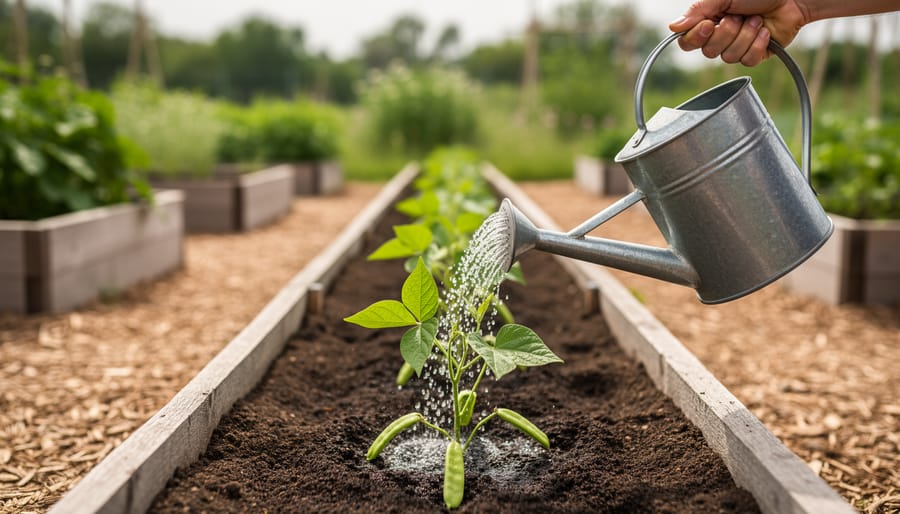
Bush beans are one of the easiest vegetables to grow in a short northern season. Sow seed directly into warm, well-drained soil once the last frost has passed and the ground has reached about 15°C (60°F), plant 2 to 3 cm deep and 5 to 8 cm apart, and you’ll be picking in roughly 50 to 60 days. No trellis, no transplanting, and very little fuss.
In Zone 3 and across much of Alberta, that timing is the whole game. Beans hate cold, wet soil, and a seed sown too early will rot before it ever sprouts. I learned that the hard way after a keen mid-May sowing turned into a patchy row and a lot of replanting. Wait until late May or early June, when the soil feels warm in your hand, and the seedlings pop up fast and strong.
Because bush beans mature all at once, you can stagger a few small sowings two weeks apart for a steady harvest through summer instead of one big glut. Our short season rewards that kind of planning.
This walkthrough covers what to gather, when it’s safe to sow, how to plant, and how to care for and harvest your crop. Whether this is your first garden bed or your fortieth, we’re all figuring out this climate together, and a good row of beans is a happy place to start.
Why Bush Beans Are a Great Fit for Cold-Climate Gardens
If you garden in Zone 3, you already know the clock is always ticking. Springs stay cool and damp well into the season, and an early fall frost can end things before you’re ready. That’s exactly why bush beans earn their spot in so many northern yards. Most varieties go from seed to first pick in about 50 to 60 days, which fits neatly inside our short window.
They also keep things simple. Bush beans grow into tidy, compact plants about a foot or two tall, so there’s no trellis to build, no strings to tie, and nothing to wrangle in a stiff prairie wind. They’re forgiving, too. Even if you’re brand new to growing food, they’ll reward a little patience with a good handful of pods.
Pole beans are the climbing cousins. They need tall supports and often take longer to start producing, though they keep going once they do. In a short-season spot, that extra time can be a gamble. Bush beans give you most of their crop in one flush, which is handy for freezing or canning.
If you’re curious about stretching your season even further, there’s plenty to learn in this guide to cold-climate gardening. Bush beans are a lovely place to begin.
What You’ll Need Before You Plant: Tools, Materials, and Seed Choices
Choosing Varieties That Finish in a Short Season
Open the seed packet and start with days to maturity. In a short Zone 3 season, aim for varieties that finish in roughly 50 to 55 days, so you’re picking well before the first fall frost. Next, check the bean type. Green types are the classic snap bean, yellow wax beans are milder and easy to spot among the leaves, and dried-bean types need a longer, drier stretch to mature, so choose those with care. Finally, look for disease resistance, which is a quiet bonus in cool, damp springs.
Here’s what I’d check on every packet:
- Days to maturity: shorter is safer when frost arrives early.
- Bush habit: confirms no trellis is needed.
- Pod type: green, yellow wax, or dried bean, depending on how you like to eat them.
- Disease resistance: helps plants shrug off common problems.
- Untreated or organic seed: a gentler choice for your garden and household.
Reputable Canadian seed companies usually list these details clearly, which saves guesswork.
My best advice is to grow two or three varieties side by side. Every yard has its own microclimate, and what thrives in mine may sulk in yours. Then come tell us about it, because the Garden Seeds community loves hearing which beans earned a spot in your garden next year.
Before You Sow: Frost, Cold Soil, and Other Things That Can Stop a Bean Crop
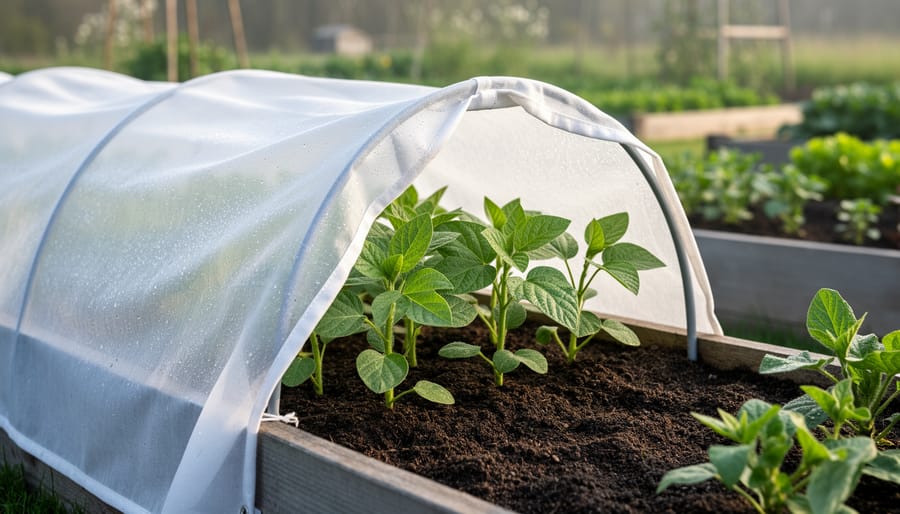
Bush beans are tender little things, and a few conditions can sink the whole crop before it starts. Knowing when to hold off is half the battle.
I learned this the hard way. My first Alberta patch went in on a sunny May long weekend, and I was so proud of those neat rows. Then a cold snap rolled through that week, and by the time the soil warmed up, my seeds had rotted in the ground. I replanted in June and still got a good harvest, so don’t be discouraged if it happens to you.
Here’s what else is worth waiting on:
– Soggy soil. Cold, wet soil rots seeds, and working wet ground also squeezes out the air roots need. If a handful of soil forms a sticky ball, give it a few more days.
– Fresh manure or heavy nitrogen. These push out lots of leafy growth but very few pods. Beans make much of their own nitrogen, so a little finished compost is plenty.
– Wet plants. Once your beans are up, skip handling them while the leaves are damp. Wet foliage spreads disease easily, and washing your hands before you head into the patch helps too.
– Treated seed. If your packet is coated with a fungicide, wear gloves, wash up afterward, and keep it well away from kids and pets.
A little patience now saves a lot of replanting later.
How to Plant Bush Beans Step by Step
Succession Sowing for a Longer Harvest
Bush beans tend to come in all at once, which can leave you with a mountain of pods one week and nothing the next. The fix is simple: sow a small new batch every two weeks, starting once the soil has warmed and the frost danger is behind you. Keep going until midsummer, but count backward from your usual first fall frost. Most bush beans need about two months to mature, so the last sowing has to leave them enough time to finish.
Here’s the rhythm I follow each round:
- Choose a fresh, sunny patch with well-drained soil. Rotating the spot a little each time keeps disease from building up.
- Loosen the soil with a fork and mix in a handful of compost. Don’t over-dig, since beans like a tidy but not fluffy bed.
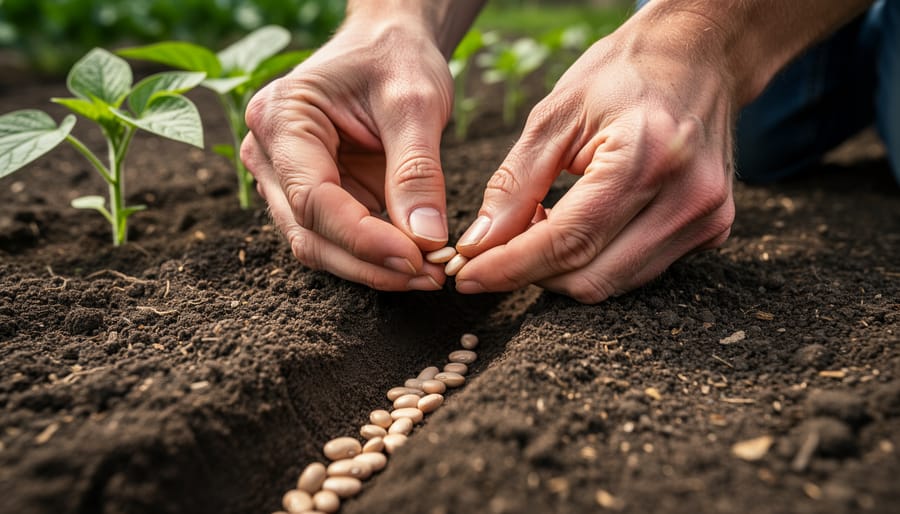
- Sow seeds about an inch deep and 2 to 4 inches apart. Tuck in only a short row so you’re never overwhelmed.
- Firm the soil gently and water lightly. Soggy soil rots seeds, so go easy.
- Mulch with straw once seedlings poke through. It holds moisture and keeps weeds down.
Mark each sowing date on a stake. By the end of summer you’ll know exactly what worked in your own yard.
Caring for Your Plants: Water, Weeds, and Picking at the Right Time
Once your seedlings are up, bush beans are wonderfully low-maintenance, but a few habits make the difference between a so-so patch and a steady harvest.
Water at the base, evenly. Aim for about an inch a week, delivered gently at soil level rather than over the leaves, which helps keep fungal problems away. Consistency matters most at flowering and pod set. If the soil swings from bone dry to soggy, flowers drop and pods come out stringy or misshapen.
Weed with a light touch. Bean roots sit close to the surface, so skip deep hoeing. Pull weeds by hand when they’re small, or lay straw mulch to smother them and hold moisture. I learned this the hard way after chopping through a row of roots with a hoe.
What healthy looks like. Seedlings should have two sturdy, glossy first leaves, and mature plants should be bushy with deep green foliage and plenty of small white or pale flowers.
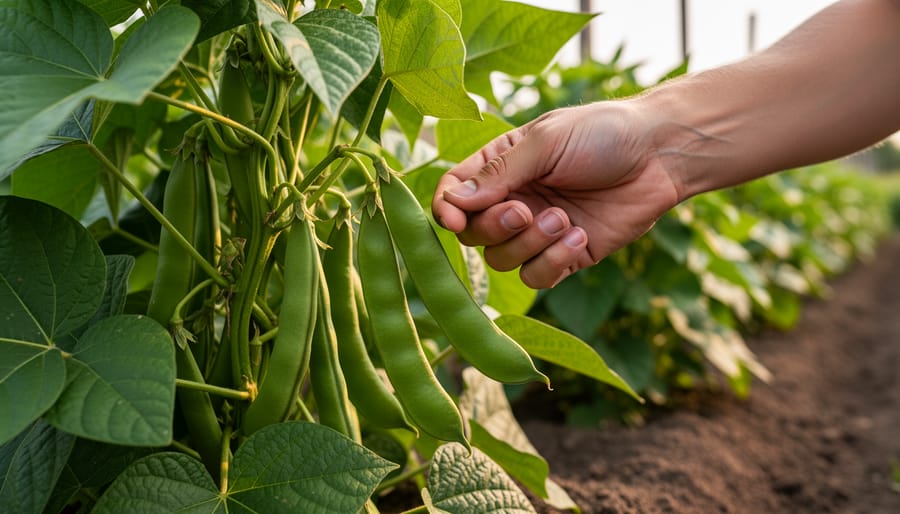
When to pick. Harvest when pods are firm, plump but not bulging, and snap cleanly in half. The seeds inside should still be tiny. Pick every two or three days, because leaving mature pods on the plant tells it the job is done and production slows.
Quick troubleshooting:
– Poor germination: Soil was likely too cold or wet, so wait for warmth and resow.
– Yellow leaves: Often overwatering or waterlogged soil; ease off and check drainage.
– Few pods: Look for too much nitrogen, uneven watering, or a heat or cold snap during flowering.
When the season winds down, let a few of your healthiest pods dry on the plant so you can save seeds for next year. You can also sow a fall cover crop to rest and feed the bed through winter.
Common Questions About Growing Bush Beans
Gardeners ask me the same handful of questions every spring, so here are quick answers to the most common ones.
Can I start bush beans indoors?
You can, but beans resent root disturbance, so use biodegradable pots and transplant when seedlings are small. In a short season it’s usually easier to wait for warm soil and sow straight into the garden.
Do bush beans need support?
Nope, that’s their charm. They stay compact and upright, though a little straw mulch keeps the pods clean and off the damp soil.
How long until I can harvest?
Most varieties are ready in about 50 to 60 days from sowing, so check the days to maturity on your packet. In Zone 3, picking varieties at the shorter end gives you a comfortable cushion before fall frost.
Why aren’t my beans germinating?
Cold, soggy soil is the usual culprit, because seeds can rot before they ever sprout. Wait for warmer soil, keep it evenly moist rather than waterlogged, and resow if needed.
Container growing is another favourite question, and yes, bush beans do well in pots. Choose a container at least 8 to 12 inches deep with good drainage, fill it with quality potting mix, and expect to water more often than you would in the ground. Pots also warm up faster in spring, which is a real bonus for cold-climate gardeners. If you’re curious about other ways to get a jump on the season, you might also enjoy reading about winter sowing, though beans themselves prefer to wait for the warmth.
Got a question that isn’t covered here? Bring it to the Garden Seeds community. Chances are another grower has run into the same thing and has a trick worth sharing.
So here’s the whole thing in a nutshell: wait for warm soil, sow your seeds about an inch deep, keep the water steady, and pick often. That’s it. Bush beans don’t ask for much, and in a short Zone 3 season, that easygoing nature is exactly what you want.
Don’t let the fear of a late frost or a slow spring keep you from trying. Even a small patch, just a few feet of row or a couple of containers, will teach you more than any article can. And if a cold snap gets your first sowing, you’ll be in good company. Most of us have been there, and a second batch of seeds goes in just fine.
Once you’ve got a few plants up and growing, come tell us how it’s going. Share the varieties that thrived in your yard and the lessons you learned along the way. If you’re hungry for more, our beginner and organic gardening courses are a friendly next step. Happy planting!