
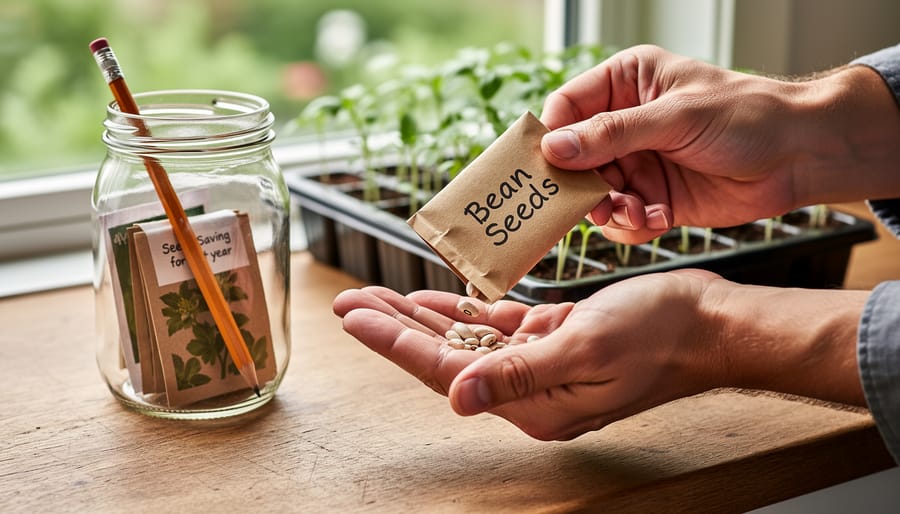
7 Tips to Save Seeds for Next Year (Even If You’ve Never Done It Before)
To save seeds for next year, pick your healthiest open-pollinated plants, let the seeds ripen fully on the plant, then clean them, dry them completely…
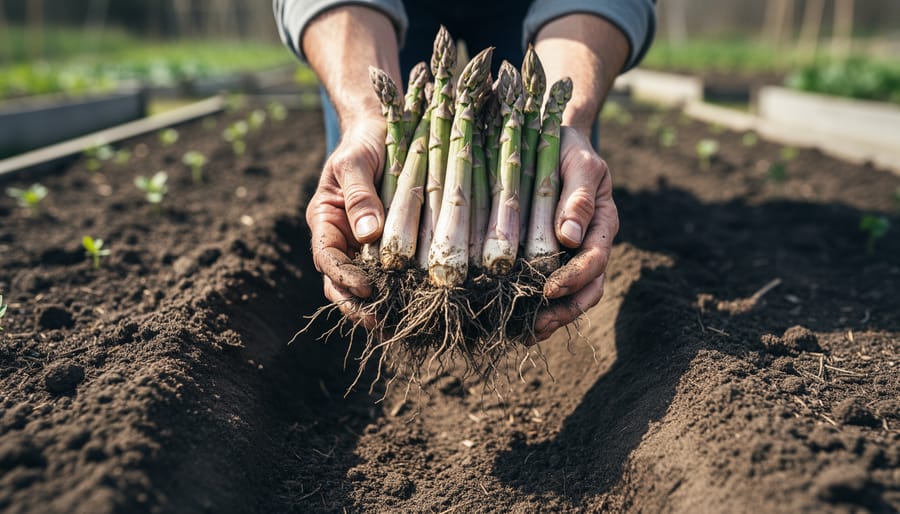
Planting Guide for Asparagus: How to Plant Crowns in Cold Climates and Harvest for 20 Years
Plant asparagus crowns in early spring, 6 to 8 inches deep in a sunny, well-drained trench, and you’ll be rewarded with spears for 15 to 20 years or more.
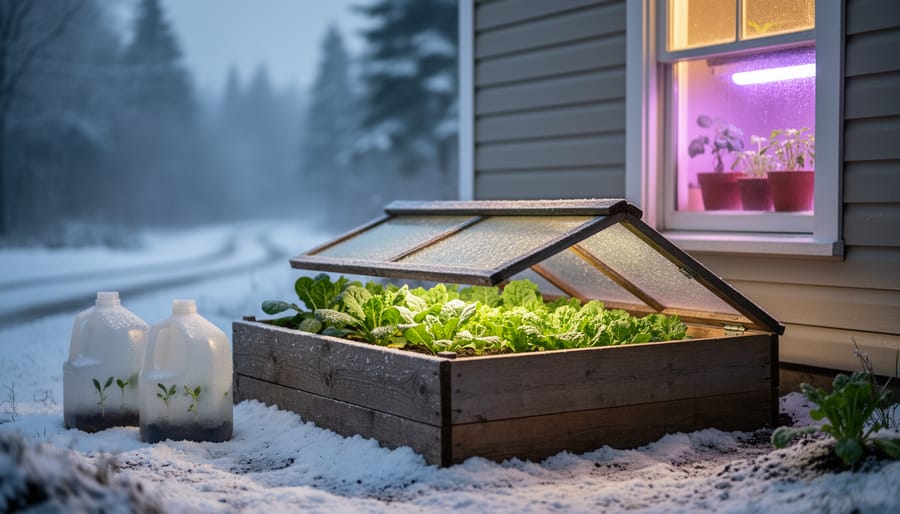
9 Ways to Keep Gardening in Cold Climates All Winter Long
Yes, you can keep a garden going through a Zone 3 winter, and you don’t need a greenhouse or a big budget to do it.
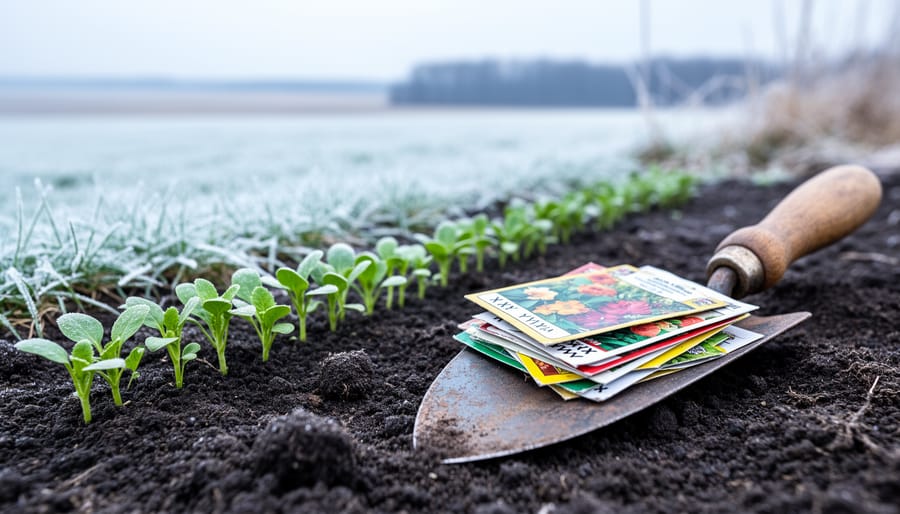
5 Best Garden Seed Companies in Canada for 2026, Picked for Cold-Climate Gardeners
For Zone 3 and Prairie gardeners, Northern Seeds is our top pick among Canadian seed companies, because it pairs over 120 varieties of organic vegetable…
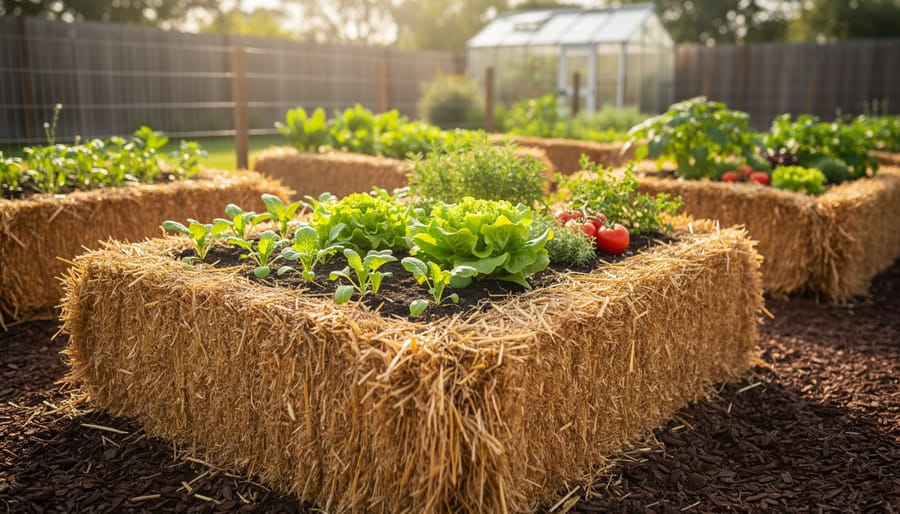
How to Start a Straw Bale Garden in 7 Simple Steps
Straw is the hollow stem left after grain harvest, while hay is dried grass and legumes cut for animal feed.
Why Smart Gardeners Are Using Peptides to Transform Their Plants (And How to Source Them Safely)
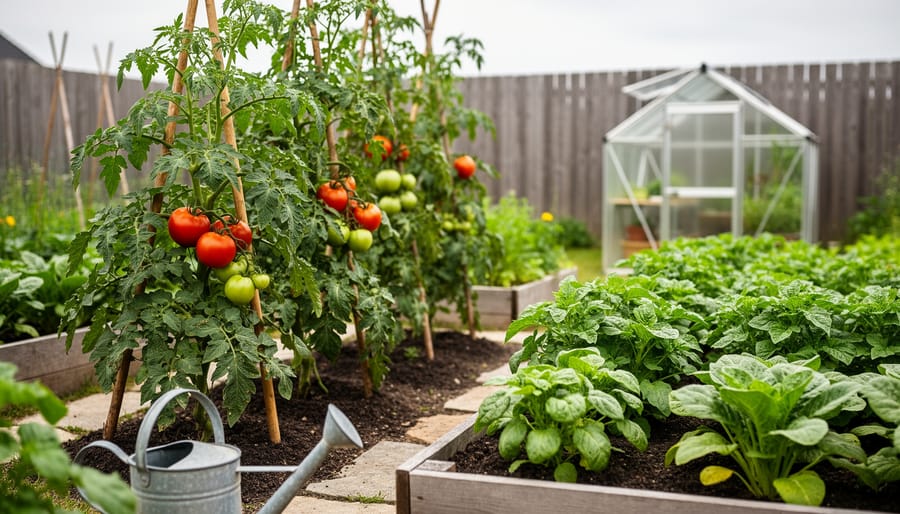
I’ll be honest: when I first heard gardeners talking about research peptides, I thought someone had wandered into the wrong conference room. But after a conversation last spring with a molecular biologist who also happens to grow the most incredible tomatoes in her Edmonton backyard, I realized there’s more to this story than the sketchy supplement ads flooding your inbox. Research peptides are short chains of amino acids used primarily in laboratory settings to study plant growth, stress responses, and disease resistance. Some companies now market these compounds directly to curious growers, and if you check …
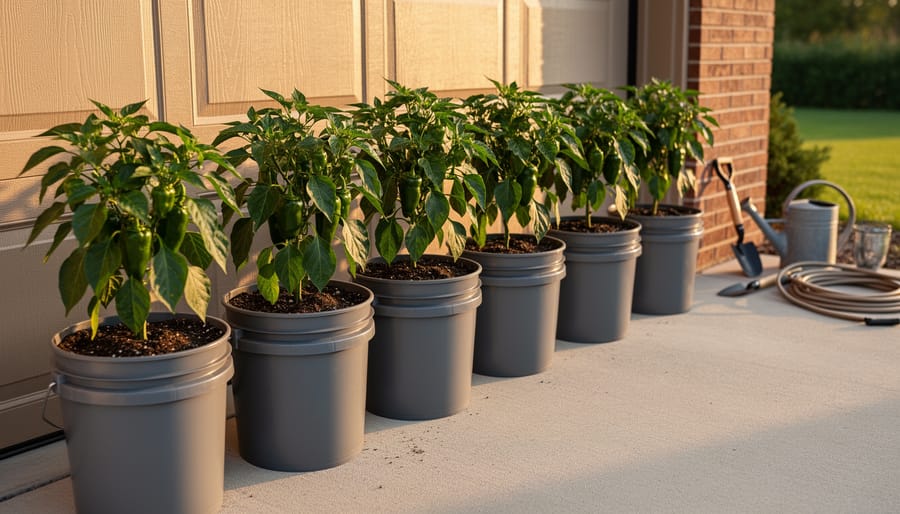
How to Grow Peppers in 5 Gallon Buckets (Zone 3 Success)
Growing peppers in 5-gallon buckets works beautifully, even in Zone 3 climates, and gives you complete control over soil quality, drainage, and heat retention while protecting your plants from unpredictable frost. You’ll get a harvestable crop in about 70-90 days from transplant, provided you choose short-season varieties and start your seedlings indoors 8-10 weeks before your last frost date. The method is surprisingly forgiving for beginners and offers experienced gardeners a way to extend the season by moving containers to sheltered spots when cold snaps …

When to Plant Peppers in Zone 7b: Timing, Tips, and Transitions for Cold-Climate Gardeners
In Zone 7b, start pepper seeds indoors 8 to 10 weeks before your last frost date (typically mid-March to early April), then transplant seedlings outdoors after all danger of frost has passed and soil temperatures reach at least 60°F, usually between late April and mid-May. Your local last frost date determines everything, so confirm your specific microclimate timing before committing your precious seedlings to the garden.
I’ll be honest: watching Zone 7b gardeners transplant peppers in late April while we’re still nursing our Zone 3 Alberta seedlings under grow lights until June makes me equal parts envious and …
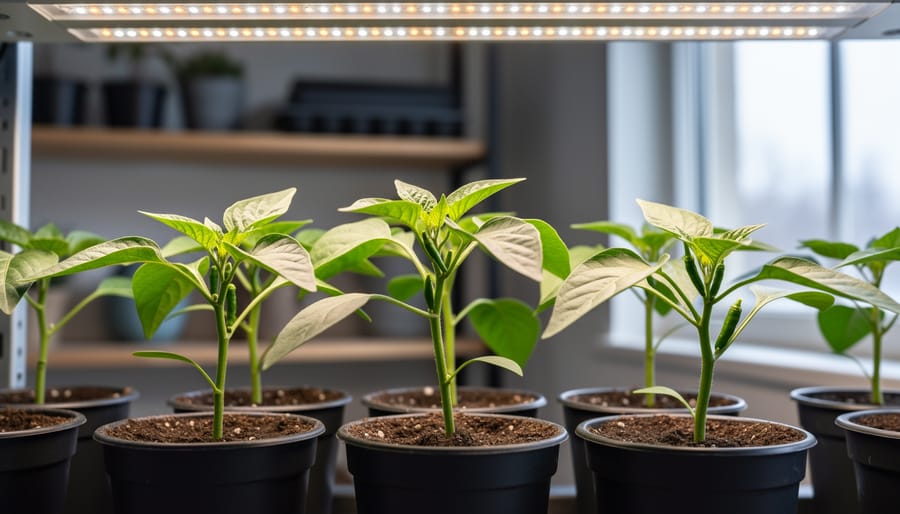
How to Care for Your Young Chili Plant in Zone 3: From Seedling to Garden Success
Growing chili peppers from seedling to harvest in Zone 3 takes about 90 to 120 days total, but the critical first six to eight weeks nurturing young plants indoors will make or break your summer harvest. Your chili seedlings need consistent warmth (18-24°C), bright light for 14-16 hours daily, and careful watering to develop strong roots and sturdy stems before they ever see the outdoors. Get these early weeks right, and you’ll have stocky, resilient transplants ready to brave our short growing season.
I learned this the hard way during my second year of gardening here in Alberta. My first batch of chili seedlings …
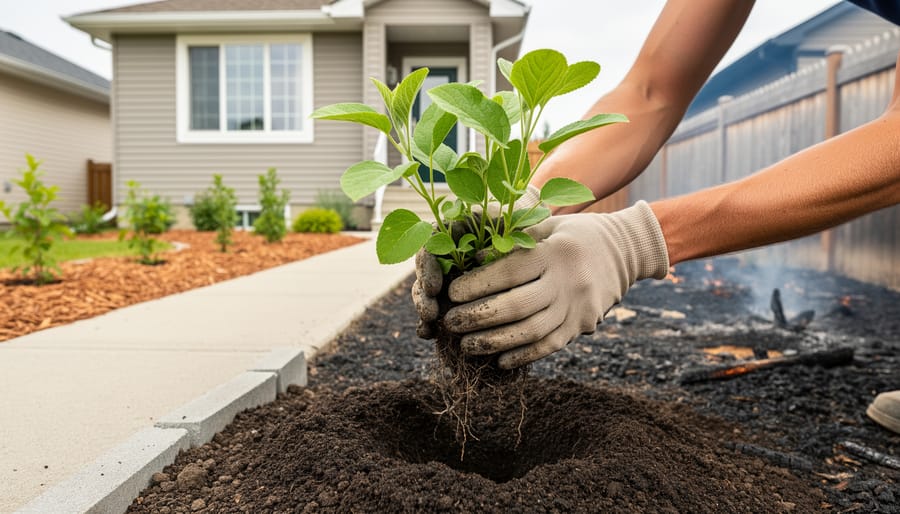
How to Landscape Fire-Damaged Property to Help Sell Your House
Restoring a fire-damaged landscape typically takes four to eight weeks and costs between $3,000 and $12,000, depending on the extent of damage and your Zone 3 growing season timing. The process follows a clear sequence: professional safety clearance, debris removal, soil remediation, replanting with hardy natives, and staged verification before listing your home. For homeowners in Alberta dealing with the aftermath of a property fire, propertysaviour.co.uk outlines how tackling the charred yard feels overwhelming, but strategic landscaping work directly impacts your …